‘X-Week’ Debates Small vs. Large Scale Sustainable Infrastructure for Water and Sewage
by Lisa Godde
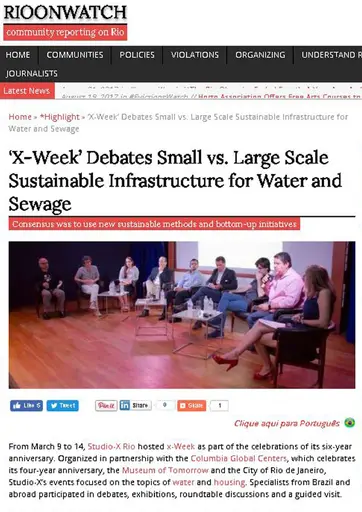
From March 9 to 14, Studio-X Rio hosted x-Week as part of the celebrations of its six-year anniversary. Organized in partnership with the Columbia Global Centers, which celebrates its four-year anniversary, the Museum of Tomorrow and the City of Rio de Janeiro, Studio-X’s events focused on the topics of water and housing. Specialists from Brazil and abroad participated in debates, exhibitions, roundtable discussions and a guided visit.
X-Week 2017 kicked off on Thursday with presentations and a debate on alternative sustainable technology for wastewater treatment, with the participation of national and international urban planners, architects and engineers.
Sewage and wastewater is a major problem in the state of Rio with only 65% of it being collected and around 34% treated, leading to a variety of health issues, environmental pollution and flooding. Further, investing in sanitation structure is economically efficient as every R$1 invested results in R$4 saved in the health sector.
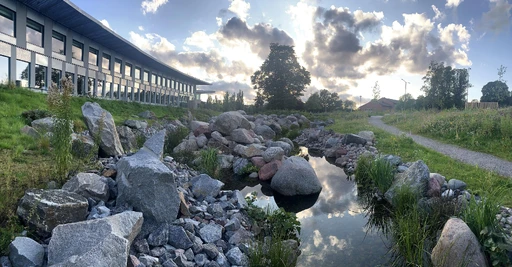
Ooze Architects–a Rotterdam-based duo including Eva Pfannes and Sylvain Hartenberg–presented their “Água Carioca” constructed wetland project. Rio’s abundant nature, as Pfannes explained, makes it an ideal place to clean sewage through plants. She challenged the common idea of sewage needing to be hidden and underground, arguing that “it should be close to us so we understand how it works.”